Hydrogen liquid storage compared to hydrogen transport models, with plant precision varying
Comparison of liquid hydrogen storage and hydrogen transport models,The plant's perfect for difference.
In today's energy transition wave,,Hydrogen as a Clean、Efficient energy carriers,It's getting global attention.。However,,Neither liquid nor hydrogen.,They face a range of technical challenges and efficiency problems in the storage process.。This paper will explore in depth the storage models of liquid and hydrogen.,And analyze their differences.,To help readers better understand the technical characteristics and application prospects of these two hydrogen energy sources。
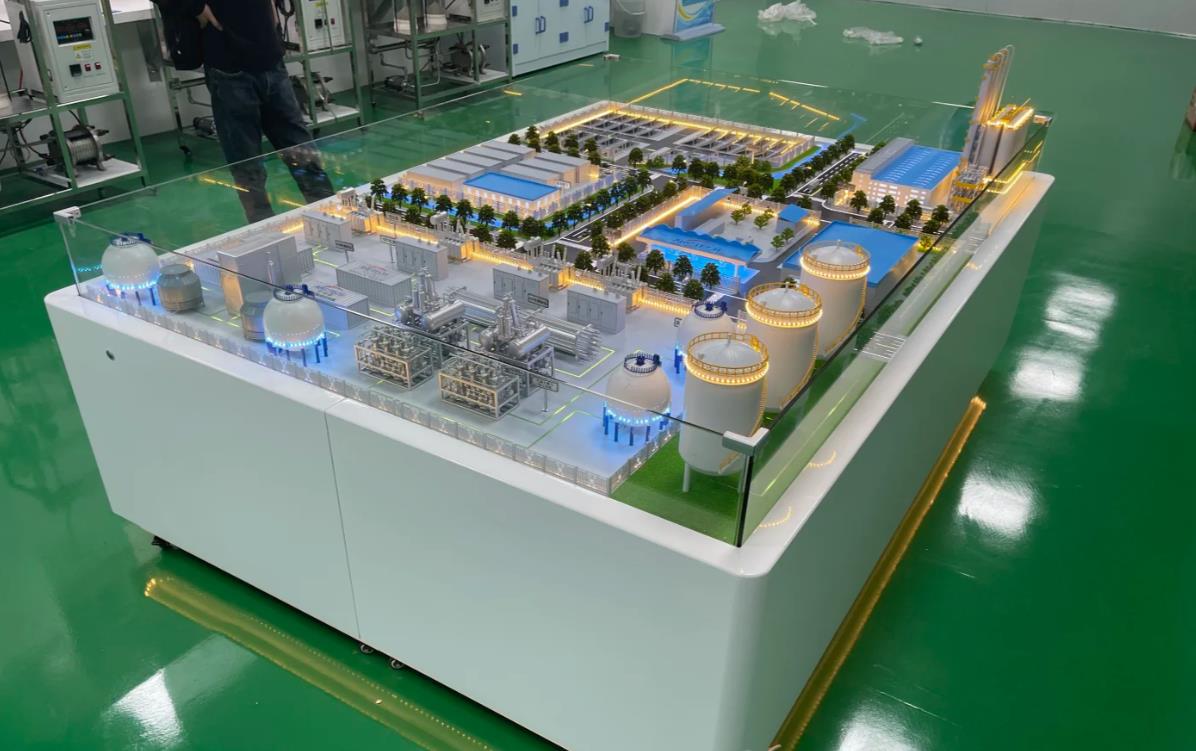
Let's see what liquid hydrogen and hydrogen are.。LH is a liquid hydrogen.,High density.、Heat high,and easy to store and transport。And hydrogen is a high-pressure gas.,Need for compression and liquefied through specific equipment。In storage.,Both liquid and hydrogen need to be processed and converted through a series of processes.,To ensure its safety、Efficiently reaching destination。
We'll focus on comparing liquid and hydrogen storage models.。In storage.,Both liquid and hydrogen need to address the following key issues::How to ensure safe storage and transport of hydrogen?How to improve hydrogen utilization and economic efficiency?How to reduce emissions and environmental impacts of hydrogen?
For liquid hydrogen storage models,The main method currently used is high pressure tankers and pipelines.。High pressure tankers can effectively store liquid hydrogen in closed spaces. Internal,Reducing the risk of leakage。Meanwhile...,The transport of liquid hydrogen can also take place through pipelines.,This reduces pollution of the environment and waste of energy.。
There are problems with liquid hydrogen storage.。First of all,,High-pressure tanker construction and operating costs,And special facilities and technology are needed to ensure their safe operation.。Second,Limited transport distance for liquid hydrogen,This limits its global reach.。Besides,,The storage and transport of liquid hydrogen also involves complex safety management and risk control issues。
For hydrogen storage models,At present, there are two main forms of compressor stations and liquefied plants.。Compression stations can compress hydrogen into high-pressure gas.,Then it's going through the pipeline to the destination.。Liquefied plants can transform hydrogen directly into liquid.,And then it's stored through the tanks.。The two approaches have advantages and disadvantages.,But there are challenges ahead.。
Compressors require a lot of energy to drive compressors.,This will increase energy consumption and carbon emissions.。Meanwhile...,The construction and operation of compressor stations also require consideration of safety and risk management。Liquefied plants can reduce energy consumption and carbon emissions,However, significant infrastructure investment and maintenance costs are required。Besides,,Liquefied plants also need to consider the recovery and reuse of hydrogen gas,To improve their economic efficiency。
There are characteristics and advantages to the storage models of liquid and hydrogen.。Hydrogen storage is mainly in the form of high pressure tankers and pipelines.,Better security and economic;Hydrogen storage is mainly in the form of compressor stations and liquefied plants.,More flexibility and adaptability。Therefore...,When choosing how to store hydrogen,,Need for integrated consideration and selection based on specific application scenarios and technical conditions。
In future development,As technology continues to improve and innovate,The storage model for liquid and hydrogen will be further refined and refined。This will help improve the utilization and economic efficiency of hydrogen.,Environmental impact reduction and risk control issues。Meanwhile...,There is also a need to strengthen interdisciplinary research and cooperation,Promoting technological progress and development in the field of hydrogen energy。