Customizing the household photovoltaic and microgrid models for rural revitalization projects
Customizing the household photovoltaic and microgrid models for rural revitalization projects
As the national strategy for rural revitalization advances,Sustainable development and energy self-sufficiency in rural areas are key issues。In many solutions,Household photovoltaic systems and micro-grid technologies are of great concern because of their efficiency and flexibility。This paper will explore in depth how to customize the household photovoltaic and microgrid models for rural revitalization projects,Towards energy autonomy and environmental sustainability in rural areas。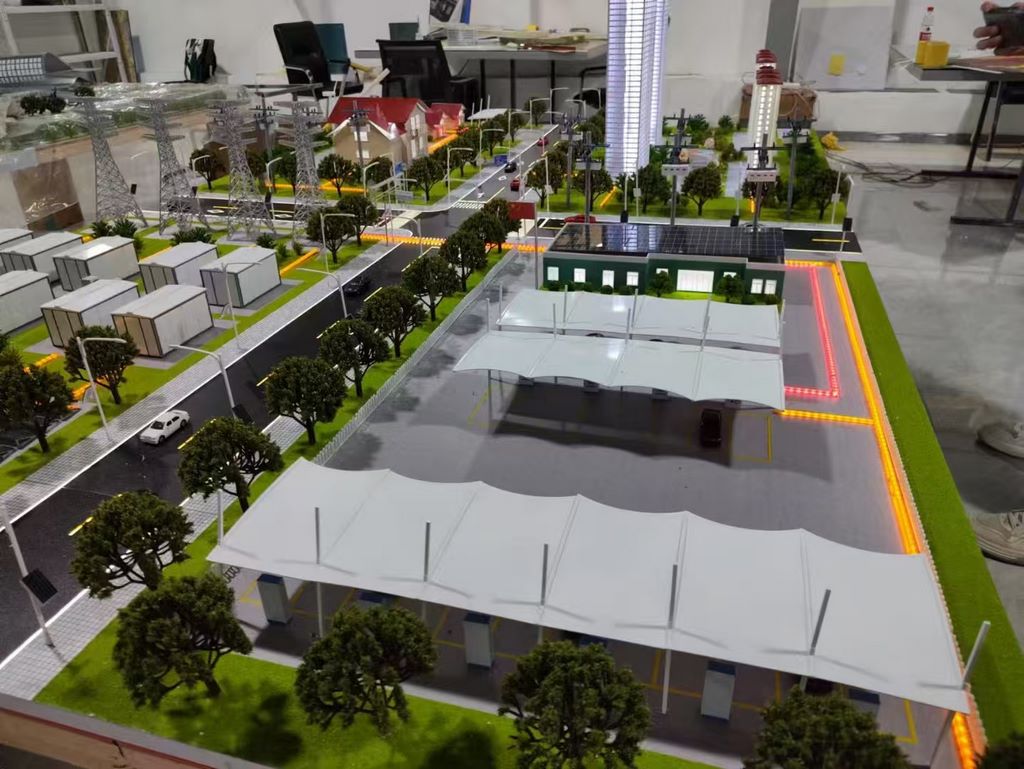
One.、Understanding the importance of rural revitalization and household photovoltaics
Rural revitalization is not just a matter of economic development,It's about improving the quality of life in rural areas.、Multi-faceted integrated projects such as environmental protection and energy security。Household photovoltaic systems as an innovative renewable energy application,Can effectively address the lack of electricity supply in rural areas,While reducing dependence on external energy sources。
Two.、Customizing key elements of the household photovoltaic and microgrid models
Needs analysis:First of all,,Need for in-depth knowledge of local rural actual needs,Including electricity use、Sunlight conditions、Topography, etc.。Through research,The type and size of photovoltaic systems suitable for replication can be assessed more accurately。
Technical Selection:Results based on needs analysis,Select the appropriate photovoltaic component、Key components such as reversers and energy storage equipment。Considering cost-effectiveness versus long-term portability,Selectively priced products are essential.。
System integration:To ensure that every link works efficiently,Integrated design of the system。This includes the layout of the light array.、Retrovert selection、Location of installation of energy storage equipment, etc.,It needs to be carefully designed.,To achieve optimal energy efficiency。
Transport management:Create a well-established system of management of the environment,Ensure stable operation of photovoltaic systems and microgrids。This includes regular inspection maintenance、Disaster response、Energy efficiency monitoring, etc.,It's the basis for guaranteeing the long-term reliability of the system.。
Policy support:Making full use of relevant government policy support,Such as subsidies、Tax incentives, etc.,Reduce project investment and operating costs。Meanwhile...,Communication and cooperation with local governments,Securing more project implementation opportunities。
III、Case analysis
Rural revitalization project in a remote mountainous region Medium,Through the introduction of customized household photovoltaic systems and microgrid models,Successfully addressed chronic power shortages in the region。The project has not only improved the quality of life of the local population,It also promotes local economic development。
Four.、Conclusions
Customizing the household photovoltaic and microgrid models for rural revitalization projects is a forward-looking exercise。It not only improves energy self-sufficiency in rural areas.,It also promotes environmental sustainability。Through in-depth needs analysis and precise technical selection,Integration of efficient systems and management of science,This can be achieved.。Meanwhile...,Government policy support is also an indispensable factor in this process。Future,As technology progresses and policies improve further,We have reason to believe,An increasing number of rural revitalization projects will benefit from household photovoltaics and microgrids Dividend。