Integrated energy models for photovoltaic buildings for future communities
Integrated energy models for photovoltaic buildings for future communities
As global demand for sustainable development and clean energy grows,Photovoltaic building integration(BIPV)Technology is highly visible because of its ability to integrate solar power systems perfectly with the design of buildings.。This innovative technology not only reduces the environmental impact of buildings,It also provides a more efficient population.、More environmentally friendly energy solutions。This paper will explore ways to customize suitable integrated energy models for future communities in photovoltaic buildings,To achieve the twin goals of energy self-sufficiency and environmental sustainability。
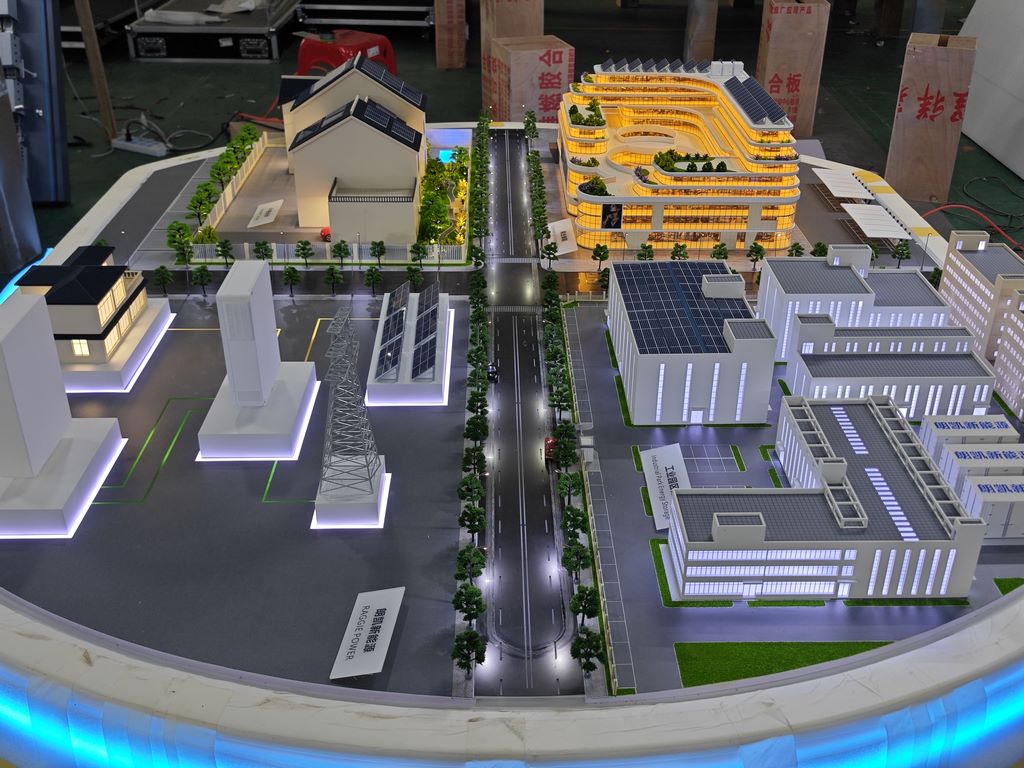
We need to be clear about the integration of photovoltaic buildings.(BIPV)。Photovoltaic building integration is the installation of solar panels on the surface or inside the building,Technologies for converting solar energy into electrical energy through photovoltaics。This technology will not only improve energy efficiency.,It also reduces dependence on traditional energy sources.,Reducing carbon emissions。At the community level,BIPVThere are many benefits to be gained from its application.。For example:,It can provide stability to communities.、Reliable electricity supply,Reduced reliance on external grids;Meanwhile...,Through the optimization of architectural design,It increases the beauty and functionality of buildings.,Improving the quality of life of the population。
Integrated energy models for photovoltaic buildings for future communities,We need to consider the following aspects.:
Selection of suitable photovoltaic materials and technologies:Depending on the specific needs and geographical conditions of the community,Selection of suitable photovoltaic materials and technologies。For example:,For communities with limited roof space,The use of flexible solar panels or transparent solar film could be considered;And for the bright regions,,Then you can choose an efficient single crystal silicon solar cell. Board。
Rational architecture:When designing and planning communities,Full consideration should be given to the integration of photovoltaic buildings,Ensuring a harmonious and integrated view of buildings and photovoltaic systems。For example:,You can hide the PV panels on the surface of the building or on the roof. Medium,Or use special structural designs to maximize solar absorption and transformation efficiency.。
Optimizing energy management strategies:To ensure stable energy supply to communities,Need for a sound energy management system。This includes real-time monitoring of photovoltaic systems.、Functions such as data analysis and failure warning。Controls and movements through intelligence,Optimization of energy distribution and utilization,Improving energy utilization。
Strengthening community participation and awareness-raising:To letBIPVTechnology is widely used in communities,Need to strengthen popular participation and awareness-raising。You can give lectures.、Presentation to the population in the form of exhibitionsBIPVTechnical rationale and application advantages,To inspire their environmental awareness and innovation.。
Focus on project sustainability and economic efficiency:When selecting an integrated photovoltaic building project,The sustainability and economic benefits of projects should be fully considered。This means that life-cycle costs are considered when selecting materials and technologies.、Environmental impacts and long-term operating maintenance costs。Meanwhile...,There is also a need to assess the economic benefits of the project,Ensuring that investment returns are in line with expected targets。
Customizing an integrated energy model for optical buildings for future communities is a challenging project。It needs a combination of technology.、Economy、Multidimensional social and environmental factors,Sustainable community development and energy self-sufficiency through scientific planning and fine management。That's all.,We can leave a better place for future generations.、Green、Healthy living environment。