Differences between teaching and exhibition design of new energy models
Differences between teaching and exhibition design of new energy models
With global pursuit of sustainable development and clean energy,Increased availability of new energy models as demonstration and educational tools。However,,In practical application,Whether it's for teaching or exhibition.,There are significant differences in the design needs and purposes of new energy models。These differences are not only functional.,And the size of the model.、Material Selection、Various aspects of energy efficiency and user interaction。This paper will explore in depth the differences between the design of new energy models for teaching and exhibition.,And analyze the underlying causes and effects.。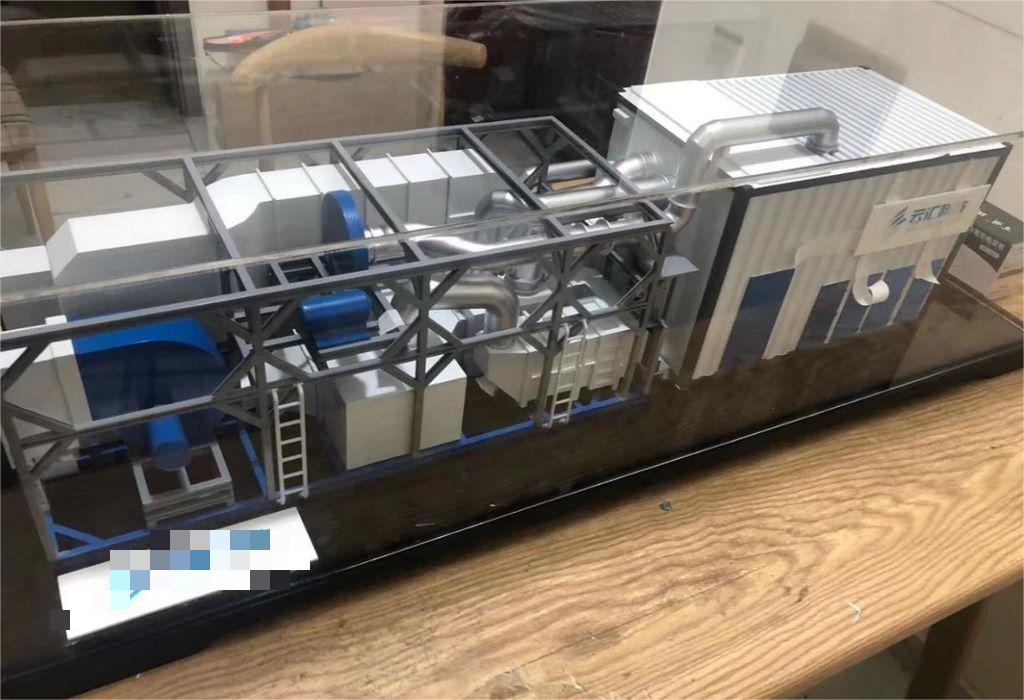
In terms of function and use,New energy models for teaching focus more on knowledge transfer and skills development。Therefore...,Models like this often require a wealth of information.,Like energy conversion principles、Environmental implications, etc.,To enable students to fully understand the importance of new energy technologies。In contrast,,The exhibition model is more focused on attracting audience attention and providing visual experience.。It usually means that models are designed more succinctly.,Emphasis on visual effects and interactive experiences,To promote audience understanding and interest in new energy technologies。
In terms of size and material selection,Teaching models usually need to take account of classroom space limitations,So it's possible to choose more compact and light materials.,While ensuring sufficient stability and durability。And the model of the exhibition needs more space to show it.,So that the audience can observe and interact at close range.,This may lead to the use of stronger or more attractive materials.。Besides,,To adapt to different exhibition environments,Exhibition models may require some flexibility and mobility。
Energy efficiency,Teaching models may focus more on energy efficiency That's right.,In the case of the same service,The less energy you consume, the better.。It's because the main purpose of the model is to educate and spread knowledge.,Instead of pursuing economics.。Exhibition models may be more focused on energy efficiency and sustainability,Because the success of the exhibition depends heavily on the interest and participation of the audience.。
In terms of user interaction,Pedagogical models may be more oriented towards orientation and inspirational learning,Through simulation experiments.、Interactive games and so on to stimulate curiosity and exploration.。The exhibition model might be more focused on creating immersion.,Through multimedia presentations、Technology such as virtual reality makes the audience enchanted by new energy technologies.。
Differences between teaching and exhibition design of new energy models are mainly reflected in functionality、Dimensions、Materials、Energy efficiency and user interaction。These differences reflect needs and expectations in two different applications scenarios。In designing new energy models,We need to take these differences fully into account.,To ensure that models meet the needs of specific settings,To maximize value。