How to plan a successful industrial sand table project? Clients and Modeller's Bookbook
How to plan a successful industrial sand table project? Clients and Modeller's Bookbook
In today ' s rapidly changing industrial environment, sandpad simulation is becoming increasingly popular as an innovative teaching and strategic planning tool. It not only helps enterprises to better understand market dynamics, but also promotes cross-sectoral communication and cooperation. However, the successful implementation of an industrial sandpad project requires careful consideration of the project planning process. This paper will explore how to design a successful industrial sandpas project, including elements of collaboration with clients and modelers.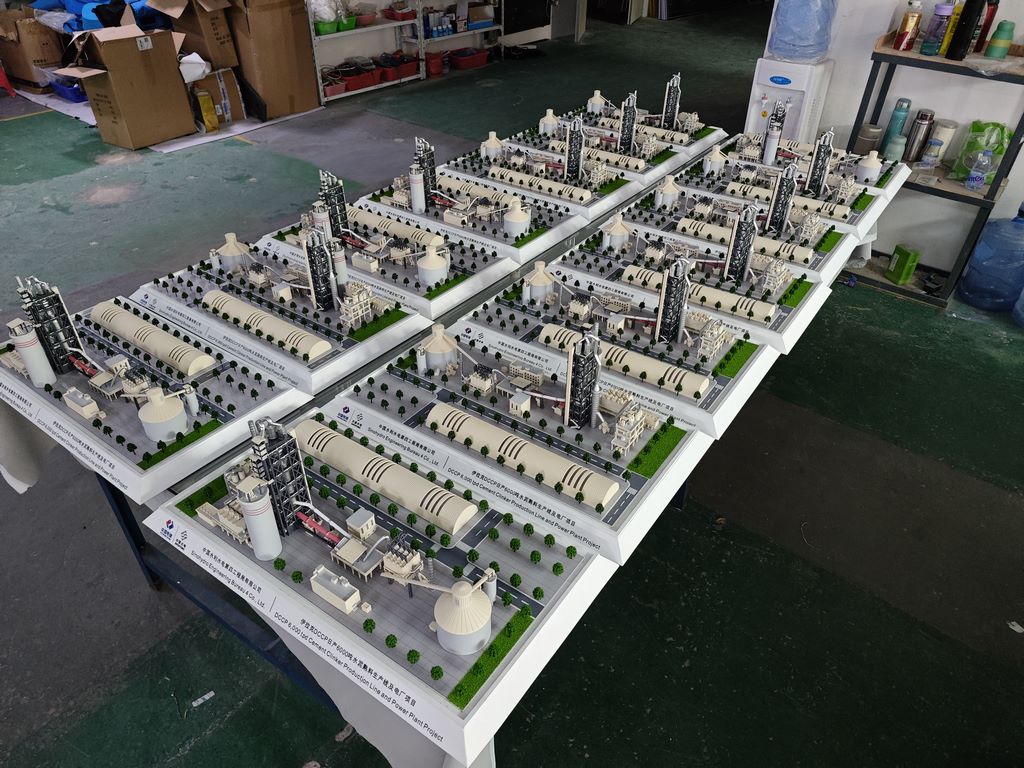
It was essential to understand the needs of clients. The success of each project begins with an in-depth understanding of the needs of the target audience. Adequate communication with clients is therefore essential. By discussing their goals, expectations and vision of the project, it is possible to ensure that the design of the Sand Table project meets the core needs of clients. In addition, listening to clients and making appropriate adjustments to their views are an integral part of the planning process.
The selection of the right modeler also has a decisive impact on the success or failure of the sandpad project. An experienced modeler can provide professional advice and guidance based on client needs and project objectives. They need not only solid technological capabilities but also in-depth knowledge of the industrial environment to ensure the accuracy and usefulness of models.
Clear project objectives are a key step in the planning process. This includes setting specific objectives for projects, expected results and benchmarks for success. These objectives should be specific, measurable, achievable, relevant and time-bound (SMART). By setting clear objectives, the project as a whole can be made more focused and can contribute to the timely reorientation of the project process.
Detailed treatment is another factor that cannot be ignored when designing the sandpad model. Modellers need to take into account factors such as terrain, architecture, transport networks and industrial enterprises to ensure the authenticity and operability of models. At the same time, a reasonable space layout and timing are essential, which will directly affect the effectiveness of the sandpad simulation and the experience of participants.
In addition to technology and strategy, project management is a key part of the design of the industrial sandpas project. Effective project management helps to ensure that projects are completed on time and that they meet budgetary and quality requirements. This includes setting detailed timetables, assigning tasks, monitoring progress and managing resources.
Sustained improvement is key to the success of any project. Following the completion of the Sand Table Project, it is important to collect feedback and analyse the results. This would not only allow for an assessment of the success of the project but also provide valuable lessons for future projects.
The design of a successful industrial sandpas project requires a combination of factors, including client needs, the professional competence of modelers, project objectives, technical details, project management and continuous improvement. The above approach ensures that the Sand Table project not only meets the needs of clients but also provides valuable insights and learning opportunities.