Teaching model for industrial machinery with clearer and more visual structure
Teaching model for industrial machinery with clearer and more visual structure
In modern education, the use of models of industrial machinery as teaching aids has become a trend in order to improve the quality of teaching and students ' understanding. These models not only help students to better understand complex industrial processes, but also stimulate their creativity and practical abilities. This paper will explore ways to optimize teaching and learning by using structured models of industrial machinery.
We need to understand the importance of industrial mechanical models. These models are usually made of metals, plastics or wood and can accurately reproduce the appearance and working principles of the machinery. They provide students with a visual learning platform to observe and analyse how various mechanical systems work. By observing parts and components in models, students can better understand mechanical principles and design principles.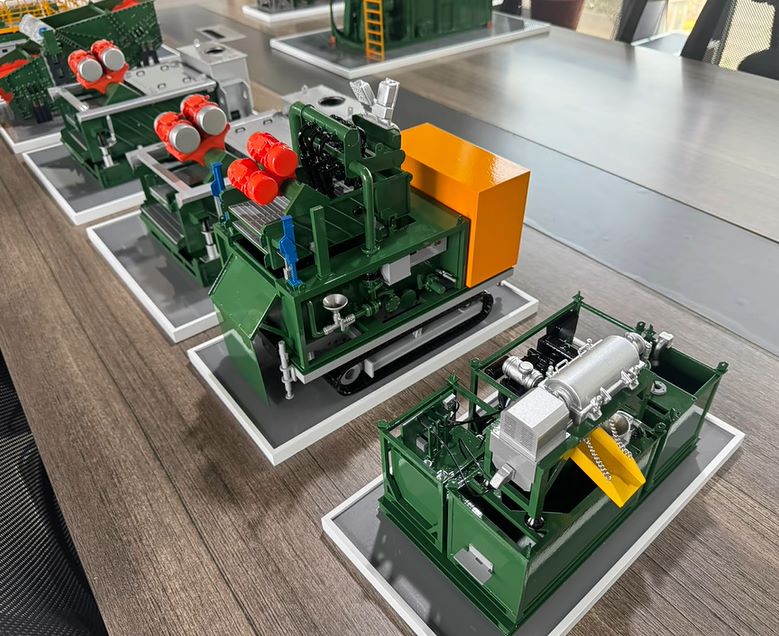
Let's talk about choosing the right model for industrial machinery. In selecting models, several key factors need to be considered: size, accuracy, material and ease of assembly. The size should be moderate so that students can easily operate and observe; the precision should be high so as to ensure that the components are accurately identified; the materials should be durable enough to withstand prolonged use; and, finally, models should be easy to assemble so that students can make or repair simple mechanical systems themselves.
In addition to choosing the right model, we need to pay attention to the choice of teaching methods. Traditional teaching methods may be too theoretical, while models of industrial machinery provide a more practical and interactive way of learning. Teachers can deepen their understanding of knowledge by demonstrating the workings of models, leading students to experiment and explore. In addition, multimedia resources, such as animation and video, can be used to enhance the learning experience of students.
In addition to the choice of teaching methods, we can consider how to combine models of industrial machinery with course content. For example, when teaching mechanical engineering courses, models can be linked to actual engineering projects. Students can learn about the design and implementation of engineering projects by observing parts and components in models. In addition, students could be involved in the assembly and debugging of models, thereby enhancing their practical competence and teamwork.
The model of teaching industrial machinery is a very effective teaching tool. By selecting well-structured models, adopting appropriate teaching methods and combining models with curriculum content, we can improve the quality of teaching and stimulate learning interest among students. In future educational practices, we will continue to explore more innovative teaching tools and methods to promote the full development of students.