Microfiche models of production lines to allow more visual presentation of equipment
In modern manufacturing, precision and efficiency of equipment are key to enterprise competitiveness. In order to improve the visuality and understanding of the operation, miniature models of production lines were produced. By reducing the proportion of actual production processes, this model allows engineers and operators to see more clearly the details of each chain, thereby optimizing production processes and reducing error rates.
Let's find out how the manufacturing line microcosm works. These models are usually made by specialized engineers or technicians based on actual production processes and equipment sizes. They typically include every step from raw materials into production lines to finished products, each in a proportionally reduced form. This allows operators to have a comprehensive understanding of the entire production process without leaving their jobs.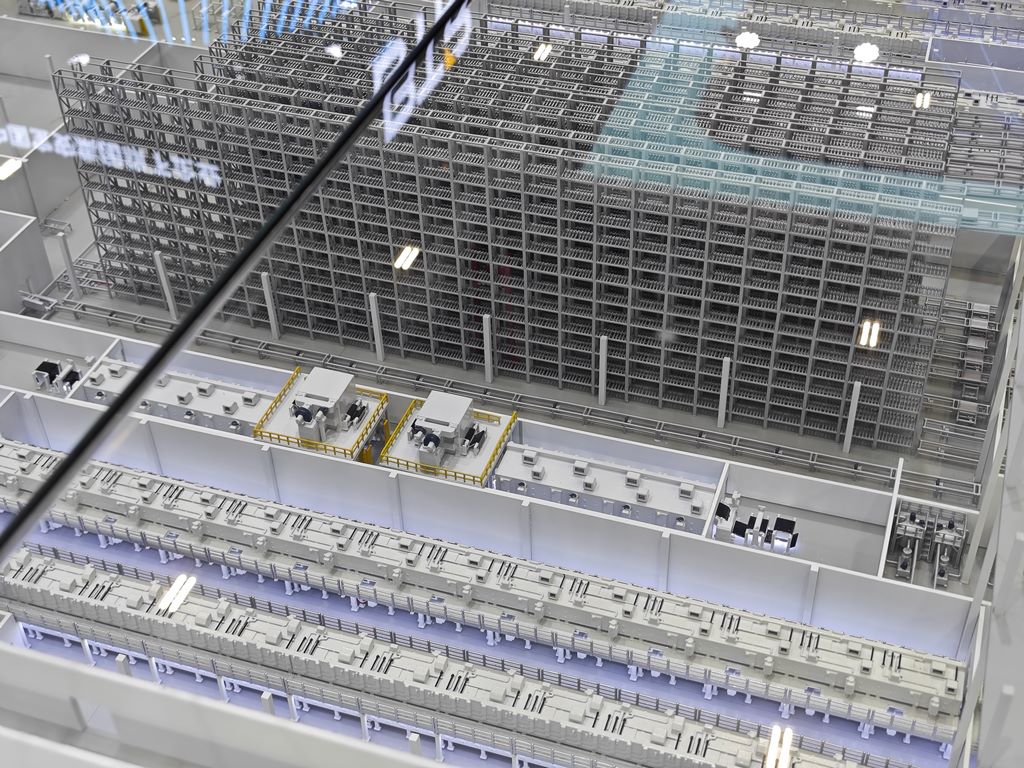
For example, assuming we're producing a smartphone. In microcosm, we can see how mobile phone components are assembled, including screens, batteries, cameras, etc. In addition, we can see how the components are connected, as well as possible problem areas. In this way, as soon as similar problems arise on the actual production line, we can locate the problem and make timely repairs.
In addition to helping operators to better understand and operate the equipment, there is another important role for the production line miniature model. That's education and training. For newly recruited staff, they need a clear understanding of the entire production process. The microcosm provides a platform where they can learn and acquire knowledge without risk.
Microfiche models of production lines can also be used to simulate failure removal and optimize production processes. For example, we can model different malfunctions and then see which operations cause problems and which can effectively prevent them. In this way, we can continuously improve our production processes and improve production efficiency and product quality.
Microfiche models of production lines remain an integral part of modern manufacturing. As science and technology evolve, we can expect more innovation and progress to make the model more sophisticated and operational.
Microfiche models of production lines are a very useful tool that can help us better understand and operate equipment and can also serve as tools for education and training. Despite some challenges, as long as we continue to improve and develop, I am confident that this model will play a greater role in future manufacturing industries.