Henghui Models specializes in digital model manufacturing. We customize all kinds of miniature models with advanced production techniques tailored to your project.
Article Categories
Recommended Articles

One-by-one modeling: the extreme integration of reality and art

2026-01-29 14:52
38
One-by-one modeling: the extreme integration of reality and art

Part I: Conceptual decomposition — what is “one-by-one modeling”?

“One-to-one car model production” means the recapturing of physical models that are highly realistic in terms of appearance, detail and even part of their internal structure by means of non-functional or partly functional processes at the ratio of 1:1 for real cars. Although referred to as a “model”, its size is identical to that of a real car and is therefore commonly referred to as a “full-size display vehicle” “simulation model” or “static exhibit vehicle”.
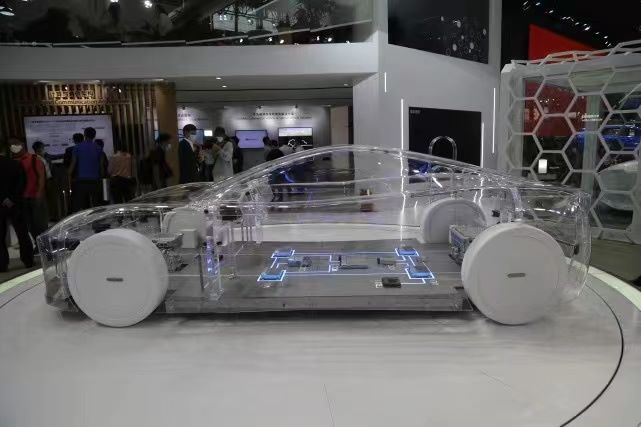
3a1779fc634e621bb6c9276dd160037 - 1K JPEG.jpg

Instead of being used for driving, such models focus on visual reduction and landscape development and are widely used:
  • Automobile brand fairs, car fairs or exhibition halls;

  • (a) Video prop (e.g., failure to use special effects such as a real car explosion, crash);

  • Thematic parks, museums or urban landmarks;

  • (a) Physical display of new energy sources/concept vehicles in quantity before birth;

  • Artistic devices in high-end commercial spaces (e.g. malls, hotel lobby).

Production materials include glass steel (FRP), ABS engineering plastics, metal gold, real tyres, car lamp components, etc. The process covers 3D scanning reverse modelling, numerically controlled grinding, manual grinding, real car class spray paints, interior stitching, etc., with high requirements for accuracy, quality and durability.
Notably, the 1:1 model can be divided into:
  • High Simulator Static Model: Only physical, powerless systems;

  • Semifunctional presentation modelOpen doors, light lights, sound effects;


Part II: Common questions and answers

Question one: Why not just use the real car, since it's the same size as a real car? What's the point of a 1:1 model?
Response: In many scenarios, real cars are not applicable or costly, and the 1:1 model has unique advantages:
  • Security(a) In the video shoot, the model can withstand dangerous actions such as impact, fire, etc., and avoid damage to expensive real vehicles;

  • Flexibility• A concept car that has not yet been produced in bulk or a classic model that has been discontinued (no need to search for a real car);

  • Custom Freedom: enhances the use of specific design languages (e.g. magnifying grids, long axes) for visual impact;

  • Cost control(i) For limited editions or prototype vehicles, modelling is more economical and convenient than calling a real vehicle;

  • No license limitModels are not motor vehicles and can be permanently displayed in non-road areas such as indoors, squares, etc.

Question 2: 1: Can a model drive? Does it contain engines and chassis?
Response: Most 1:1 car models areStatic display uses, without engines, transmission systems or chassis structures required for legal access. However, part of the functionality can be integrated according to demand, such as:
  • (b) Electric pushers automatically open doors/engine caps;

  • LED simulation of large lamps, taillights, backlights for dashboards;

  • Sound systems play start-up sound or branding messages.
    Where mobility is required, it falls within the category of a “functional sample” or “engineering validation vehicle”, which goes beyond the traditional “model” and increases significantly in cost and technical complexity.


Part III: Benefits of producing one-to-one car models

  1. Increased brand visual impact: In a press conference or exhibition room, the 1:1 model presents the design language as “zero distortion” to maximize audience attention.

  2. Lower presentation and trial error costs: Cars can validate market responses in quantitative antenatal settings, adjust design details, and avoid large-scale return work after input of moulds.

  3. Breaking the time and space limit:: Recapturing historical classics (e.g., 1960s old cars) or future concept cars for cultural transmission or forward-looking presentations.

  4. Promotion of video and entertainment experienceIn films, advertisements, theme parks, models provide safe, manageable and high-recession visual elements.

  5. Support for the green presentation concept: No real engine need to be activated, carbon emissions reduced, and sustainable development concept aligned.


Part IV: Specific requirements for customizing a vehicle model

To ensure that the project progresses smoothly and achieves the desired results, the client needs to provide the following information and clear technical parameters:

1. Basic design information

  • Target vehicle type information (brand, model, year, or a draft concept design);

  • (b) High-intensity multiple angle photographs (including at least positive, side, back, 45° angle, overlooking);

  • Official three views (CAD/PDF format) or 3D digital models (recommended format:.stp,.iges,.obj,.fbx);

  • For original design, complete skin design packages (curvature data, feature lines, A-class curve requirements) are required.

2. Model function and detail requirements

  • Whether components (doors, hoods, trunks) are required to open;

  • (a) The display of interiors (seat material, meter details, middle screen);

  • (a) Light system needs (day light, turn light, brake light);

  • (b) Whether 100 per cent reduction is required for wheeled and tyre brands;

  • Surface treatment standards (metal paint, bead paint, dumb paint, electroplating, etc.).

3. Structure and installation requirements

  • Model skeleton material (steel, aluminium or composite material);

  • (a) The need for an internal support or hanger (for high-altitude hangers or rotating stands);

  • Whether the chassis is closed (impacting transport and stability of ground placement);

  • Whether dustproofing, waterproofing (for long-term outdoor display) is required.

4. Delivery and budget

  • Use of scenery (indoor gallery/outdoor square/film);

  • Expected delivery cycles (usually 45-90 days, depending on complexity);

  • Budget scope (1:1 model price ranges from tens of thousands to hundreds of thousands);

  • Transport and installation programmes (requirement for professional logistics and on-site assembly teams).


Nadimak:
sadržaj:
Kontrolni kod:
podnijeti komentare
Komentar