Large engine modeling, equipment customization.
Introduction to the core concept
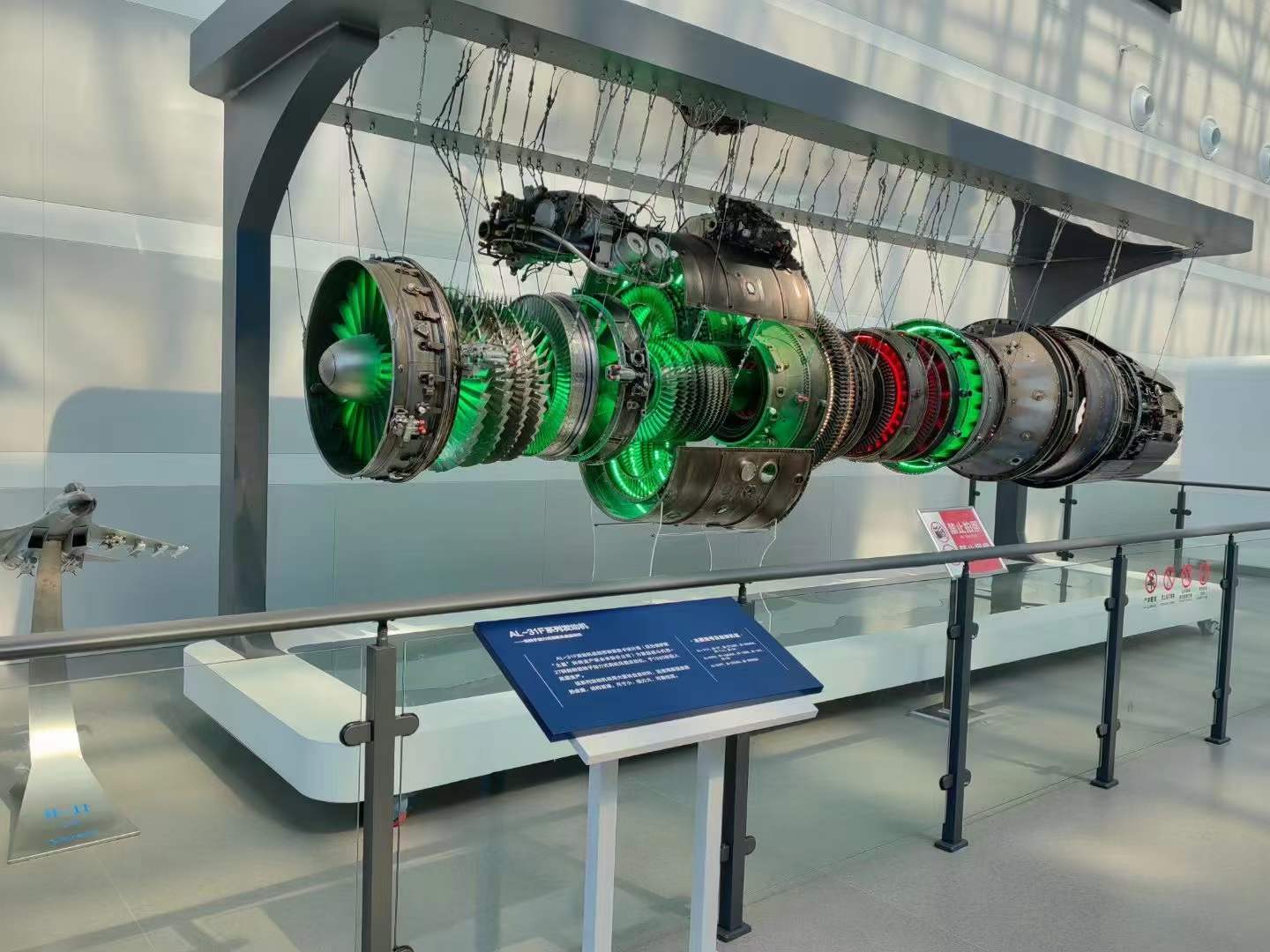
Large engine modeling Equipment modeling is customized for the integration of specialized knowledge of mechanical engineering, precision manual physical exercise and scenery design, with two related plates at its core, which complement each other, focus on the specialization and suitability of large engines。Of these, large engine modeling refers to a prototype of a real large engine (e.g. diesel engine, gas engine, ship engine, etc.), with a scale of 1:10 to 1:20, precise restoration of core components such as aquarium, arcs, pistons, oil-jet systems, cooling systems and overall structure, taking into account mechanical senses, structural integrity and the authenticity of detail. The core requirements are a scale, structural rigour, detailed specifications, displays by suitable machinery enterprises, pedagogical training, research and development aids, etc.。Equipment model customization is based on the development of large engine models, incorporating individualized elements and functional upgrades, highlighting the mechanical features and exclusive values of engines, different scenarios such as fit enterprise fairs, industry fairs, school teaching, etc., and is a visual extension of large engine models。The central link is that production is the foundation, customization is the core, and all creations revolve around large engine prototypes and scene needs, taking into account professionalism and practicality.。
Relevant questions and answers
Question 1: Large engine models, what material is selected to balance mechanical senses, structural stability, and adaptation to core component details and long-term demonstration needs?
Answer: The core selects composite materials that fit the original engine, are easily processed and are durable, taking into account professionalism and practicality。ABS engineering plastic sheet and aluminium alloy sheet preferred, ABS plate hard, non-conformable, precise tailoring of carvings, restoration of contours, tatter cover details to allow grinding paint;Aluminium alloy thin sheets close to the metal parts of the engine, which enhances the overall mechanical sense of the model while at the same time supporting the weight of the large scale model and avoiding long-term deformation.。The core detail component selects stainless steel strips, micrometal castings and acrylic tubes, pistons, collages with micrometal castings to ensure structural accuracy and mechanicality Sensor.;Oil nozzles, cooling pipes are made of Akli and stainless steel strips, and their form and connection is restored.;Small components, such as valves, meters, etc., are made of microplastics to fit the real engine.。Stabilize with epoxy glue and invisibility, sticky, connected, and flattened.;Painting with machine-specific duds paints, mainly in grey, silver and black, which are commonly coloured, non-reflective, invertible, suitable for long-term presentation and perfect match to the production needs of large engine models。
Question 2: What are the core dilemmas of large engine model customization? How can we balance the originality of the engine with the personal needs of the scene?
Answer: The core dilemma is the dual balance between “engine mechanical structure reduction” and “situation fit” to avoid the departure of custom elements from the mechanical nature and structural logic of the engine。The solution is based on two main points: first, precision matching needs and prototype information, identification of client scenarios (chambers/training/exhibits) and setting of customized priorities (e.g., removable parts, argumentation, additions to enterprise LOGO, working state simulations);Also collect high-resolution photographs of real large engines, structural dismantling maps, size parameters, draw detailed design drawings, indicate scale, component location and customised elements, and submit them to client and mechanical professionals for confirmation and start production。Second, layers are implemented to reduce and customize the core parts (cylinders, rotors, pistons) of large engines, and move structures are strictly reduced to the prototype to ensure compliance with mechanical principles;Custom elements are added without disrupting structural integrity or deviating from mechanical logic, such as training to customize core components with model to remove and label the name of the component;The exhibition hall model can be used to add corporate logo and core parameter labels that both preserve the specialized nature of the engine prototype and meet the needs of personalized scenes。
III. Benefits of production and customization
Large engine modeling and equipment model customization, focusing on the mechanical industrial characteristics, combined with mechanical, practical and demonstration values, with particular benefits。First, the branding and transfer of power by AMAs, the complete and detailed model, can serve as a core display of the Enterprise Fair, visualize the R & D power and manufacturing processes of large engines, attract the attention of partners, highlight the core competitiveness of enterprises in the mechanical field and enhance brand impact。Second, appropriate mechanical training and talent development to “micro- and visualize” large engines with large structures and internal complexities, to help students and mechanics quickly familiarize themselves with engine structures, working principles and assembly processes, to reduce teaching and cognitive difficulties, to improve functional awareness and to help develop the skills of the mechanics industry。Third, supporting R & D and demonstration, which could serve as a simple test model for the enterprise ' s R & D process for component adaptability testing and structural optimization to reduce the cost and risk of original engine testing;It can also be used for client demonstrations.。Fourth, high value for money, high reuse, flexible fine-tuning of detail for manual production and precision design for multiple scenarios