Modular equipment sandpads: display of machine bed, robotics, assembly line dynamic model
Modular equipment sandpads: display of machine bed, robotics, assembly line dynamic model
In modern industrial production, sophisticated machinery plays a crucial role. They not only increase production efficiency, but also guarantee the stability and reliability of product quality. In order to demonstrate these complex mechanical systems more intuitively, the sand table model has become an indispensable tool. This paper will explore in depth how key equipment such as machine beds, robots and assembly lines can be displayed through mechanical sandpads, as well as their interaction and teamwork.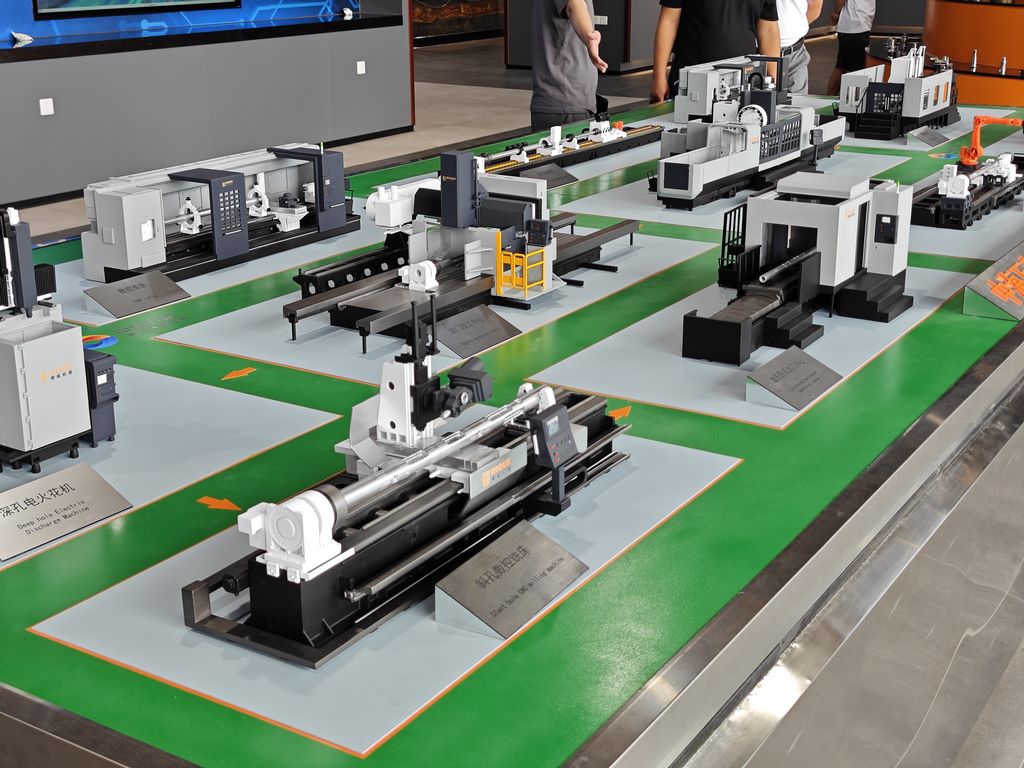
Let's take a look at the basic concepts of the sandpad model. The sandpad model is a three-dimensional stereo display that presents complex mechanical equipment and processes to the audience through fine production and veritable visualization. Such models could be used not only for teaching and training but also as important reference points for industrial design, product development and production process optimization.
We focus on a few common sand-paste models. First of all, there's the machine-bed plate model. The machine-bed is one of the core equipment in the manufacturing industry that allows for high precision processing and manufacture. Through machine-bed sand table models, we can visualize the various components of the machine-bed, such as main axes, blade frames, clamps, and how they work together. In addition, we can see the characteristics and advantages of different types of machine-beds and their application in different production environments.
The robot's sand table model. With the development of artificial intelligence technologies, robotic applications in manufacturing are becoming more widespread. Models of robots can show robots' motion tracks, operating methods and intelligent decision-making capabilities. By observing robotic actions and interactions, we can better understand the practical applications and trends of robotic technology in industrial production.
(c) A model of a plate of assembly lines. The assembly line is one of the key facilities for achieving bulk production of products. The assembly line sandpad model provides a clear view of the workflow, process layout and material flow of the assembly line. This has helped us to analyse the efficiency and bottlenecks of assembly lines and provide strong support for improving production processes.
Following the presentation of various sandpad models, it is not difficult to find that there are close links and interactions between them. For example, machines and robots can work together to process a product; assembly lines and robots can work together to assemble and test the product. Through these interactions and synergies, the entire production process becomes more efficient and flexible.
Sand Table models are also highly practical and scalable. As technology continues to improve, we can continuously update and refine the sand table model to meet new production needs and challenges. At the same time, sandpad models can be combined with other technologies, such as material networking, big data, etc., to achieve higher levels of intellectualization and automation.
As an important means of displaying sandpads, mechanical equipment provides us with an opportunity to have a comprehensive understanding of complex machinery. Through the demonstration and interaction of key equipment, such as machinery, robotics and assembly lines, we can better capture trends in industrial production and improve production efficiency. In future developments, it is believed that the sand table model will play a more important role in providing greater support and security for the development of manufacturing.