
Modelling programme for household photovoltaic systems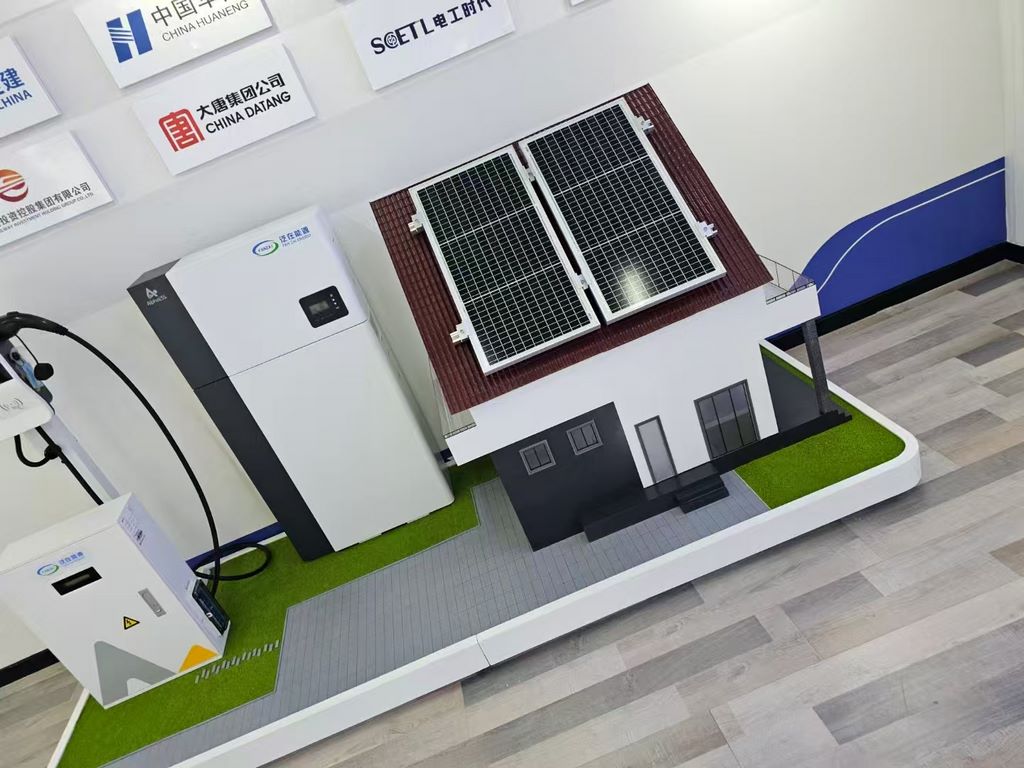
Core production process
1. Architectural construction
Building framework: using a lumber plate laser to form, to preserve the real wood texture
Watts: 3D printing mimics of the pottow unit fusion, with each piece independently attached
Photovoltaic frame: Aluminium alloy-type anode oxidation treatment, simulation of a real load bearing structure
2. Reduction of power generation systems
Solar panels: Accumulated vacuum membrane plating process, surface etching of crystalline silicone tracks
Inverters box: ABS Board CNC carved hot holes and incorporated micro-LED status Lights.
Cable pipelines: Silicon-coated wire woven to achieve bendable wiring
3. Interactive performance
Photo-sensitization: light-sensitive electrical resistance control power generation beacons
Storage energy demonstration: Magnetic lithium battery module can be replaced manually
Use of electrical scenes: simulation of household load changes in micro-LED arrays
Material and surface treatment
Subject Materials
Base: Scratched with a high-density foam
Fence: Bronze etching bars chemically old
Green plant: electrostatic velvet technology for imitating grass
Colour System
Photovoltaic plate: Gradual blue ash plating reflecting single crystal silicon
Archival surfaces: water-painted laminates with imitated materials.
Electrical equipment: Modified black-down with fluorescent safety markers
Teaching demonstration design
Dynamic Presentation
Solar trajectories: calibrated angle light simulation
Measurement of electricity generation: digital tube displays virtual power generation
Fault simulation: Magnetic switch trigger alarm device
Maintenance design
Take down the roof module.
Transparent silos overhauled
Standard interface beams