
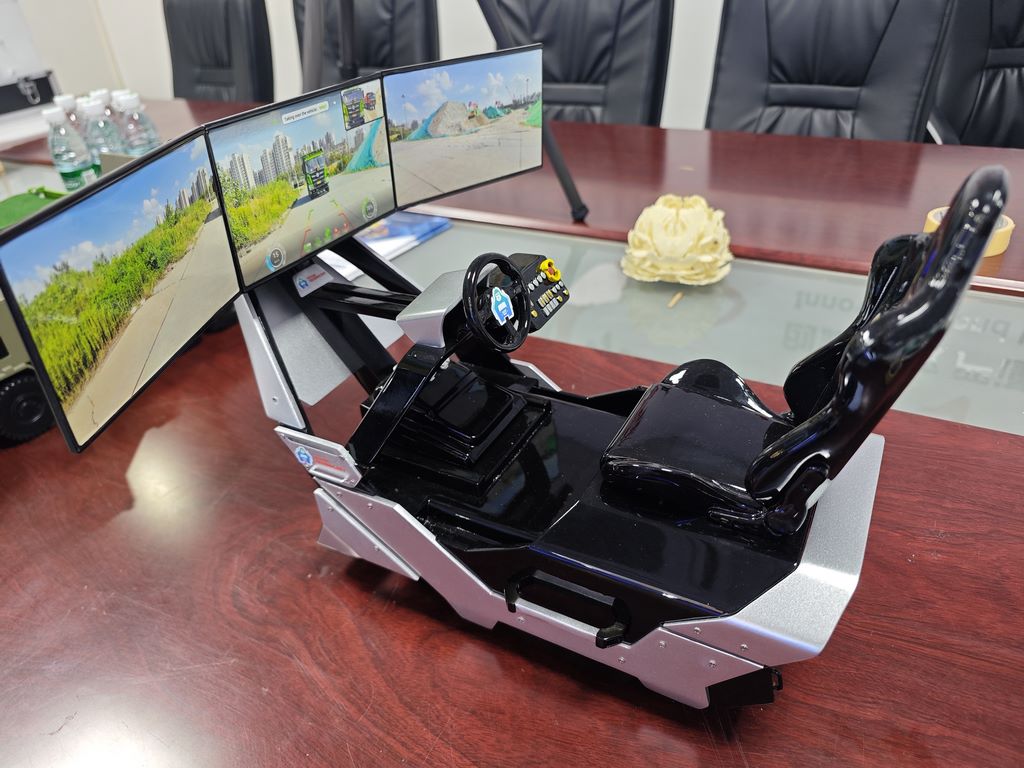
Full-process programme for racing simulators
Main structure engineering
The cockpit skeleton is in shape.
Use of the ABS board CNC carving master frame to enhance the nylon 3D printing shift to the poles along with the bobble to ensure structural stability under the 50kg dynamic load
Modifiable pedals are embedded through aluminum alloy slides, reducing the ratio of real racing foot space
Interactive module precision assembly
Use stainless steel etchings + magnetic insulation to achieve ±0.2 mm bite accuracy
Use multi-layer Accumulator lasers to simulate pressure feedback from carbon fibres.
II. COMPETITION EQUIPMENT FACILITY
Track coating system
Double-assembled polyurethane coatings are used in the base paint layer, solidified to form 0.1 mm armoured coatings at 60°C of the dustless oven.
The sponsor logo uses the water-reprinting process, perfectly recapturing the F1-director palsy.
Use trace reinforcement
Hand-made silica-based ointment in the steering wheel handle, resulting in long-term slurry effects for professional drivers
The side wing of the seat is worn out through alcohol dyes, simulated by friction in a racing suit.
III. Dynamic sensory system integration
Visual feedback device
The LCD dashboard is fitted with super thin OLD screen embedding, UI interface 1:1 cloned original car data refreshing logic
Quick-track sign belts employ lightboard engraving to achieve pulse effect of 8,000 rpm red zone alerts
Touch simulation system
The chassis vibration module is implanted in a eccentric electric array, which is programmable to simulate shoulder crush feedback
Fuzzers are installed in hidden vents, in conjunction with PWM to control the spread of fuel from output.