
Mailer demonstration model manufacturer, Guangdong ship model custom manufacturer
1. Bones and hull formation
The ship ' s infrastructure uses light lumber panels to shape the contours of the hull through the steam bending process. The swarms of the hull are carved separately to ensure a true ratio. The deck layer uses a laser-cut collage of the Yakli plate, which is slightly polished at each edge of each layer, to simulate a slight difference in the stitches of the real steel plate.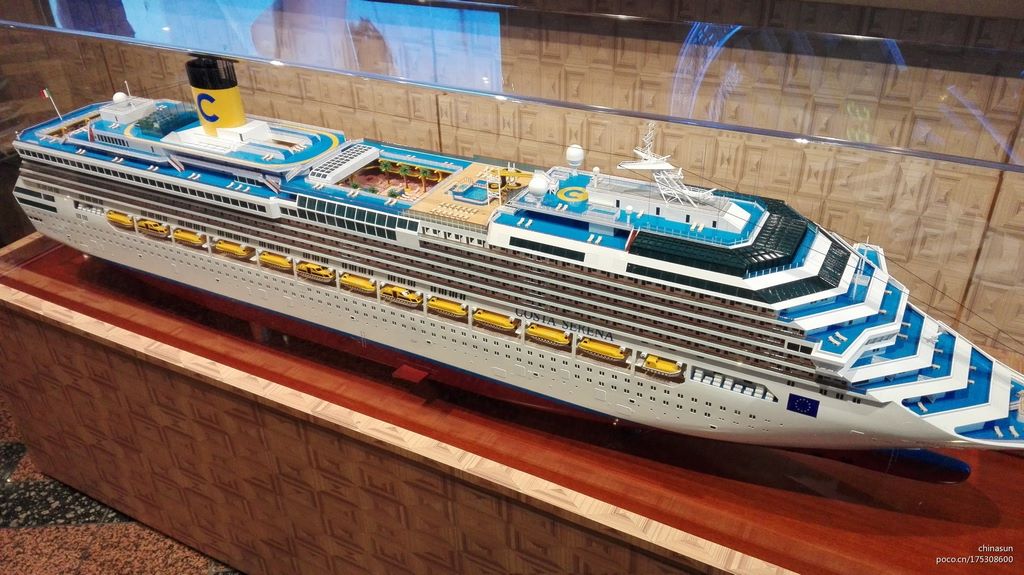
2. Manual carving of symbolic parts
Collars: Thermal bending of ABS plastic sheeting, surface cover of fine sandpapers to simulate metal welding texture, internal filling of foam in fixed shapes.
Glass dome pool: Emplaced with transparent epoxy resin, corroded on edges to make poles, and embedded when resin is not fully sequestered to ensure seamless integration.
3. Details reduction process
Column system: 0.3 mm copper wire is manually bent, each pillar is accurately spaced to 1 mm and is fixed with transient glue.
Lifeboats: 3D prints of resin, which are polished, sprayed with dummies of orange paint and reinforced with shampoo.
4. Colours and ageing
Main tone: The hull uses water paints of the Italian Red (Pantone 186C) with three coatings to improve the quality.
Older effects:
The deck sews penetrate into dark brown paint paints to simulate seawater erosion traces.
The bottom of the chimney is scanned with graphite powder and the fumigation of coal residuals is restored.
Thrust on the edge of the port windows enhances the true wear and tear of the metal parts.
5. Final integration and demonstration
All components are assembled using invisible positioning to avoid the presence of rubber. The bottom seat uses a walnut sculpted waveline, which contrasts visualally with the white hull of the cruise ship and highlights the demonstration of the model.