
Modern double-hulling model is a complete process.
Material selection: a balance between light quantification and a sense of quality
Ship hull material• Select 3 mm lightwood plate to make a double structure that combines strength and ease of processing; and a laser-cut plank on deck to ensure flatness.
The sails.Customized sheeting (1,200 scale) to maintain the arc of the sail by thermal fixation; and a 0.5 mm fishing line for gear to simulate steel wires.
Metal parts: 3D printing titanium alloy fittings (crawling, sliders) followed by old processing and restoration of wear and tear for seafaring equipment.
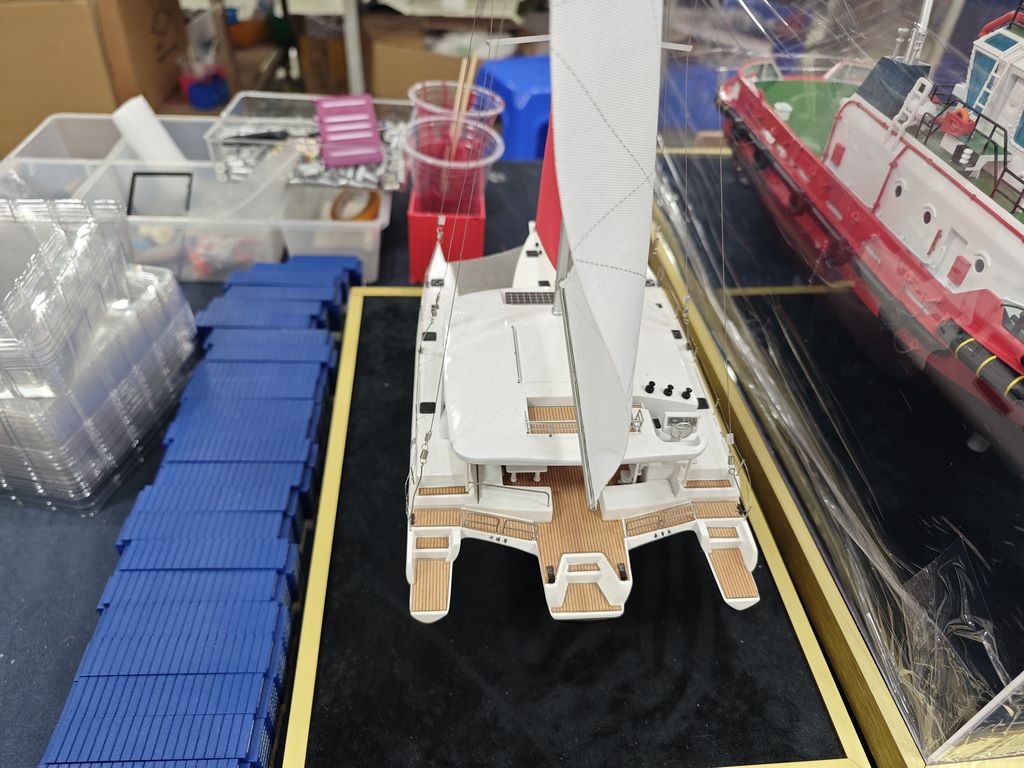
Core process: phased precision reduction
Double structure.
Cut the lightwood panel by design, and then reconnect the main structure with epoxy resin to fill the seams.
The hull is pre-positioned with heavy lead blocks to ensure the stability of the model during its testing in the pool
Deck system assembly
Laser-cut deck components are embedded in a graft and rubbed in wood and sandpaper at the seams.
Welded with 0.3mm stainless steel and set up an anthropo-technical escalator every 15cm Points
Scanner system production
The edge of the canvas is buried next to the nylon line, and it's made available through a mini-glide team.
The main mast uses a carbon fibre tube, and the internal pre-positioning of magnetic elements allows for rapid dismantling
Post-treatment: details determine success or failure
Basic coating:
When the hull is sprayed with duds and white paints, hand-drawing water-eating lines with a brush number 000 (reference to real ship load data)
The decks were painted with wood-coloured water paints and simulated wood textures through dry cleaning techniquesOld process.:
Sponge-sponge for rusty paints to lighten the edges of metal parts
Scattered with semi-transparent tea-coloured tea in the wrinkles of the canvas.Water scenes fit.:
Undersea anti-fouling paints and microvoltages
With LED atmosphere light belts, simulated on-board window lights by fibre-optic
IV. Points for control of reduction
Zoom in line strictly with CAD scale 1,200
All visible nails are engraved with laser.
The wiring must match the mechanical distribution of the real ship.