
Office aircraft modeling programme
Material selection: balancing reduction and demonstration
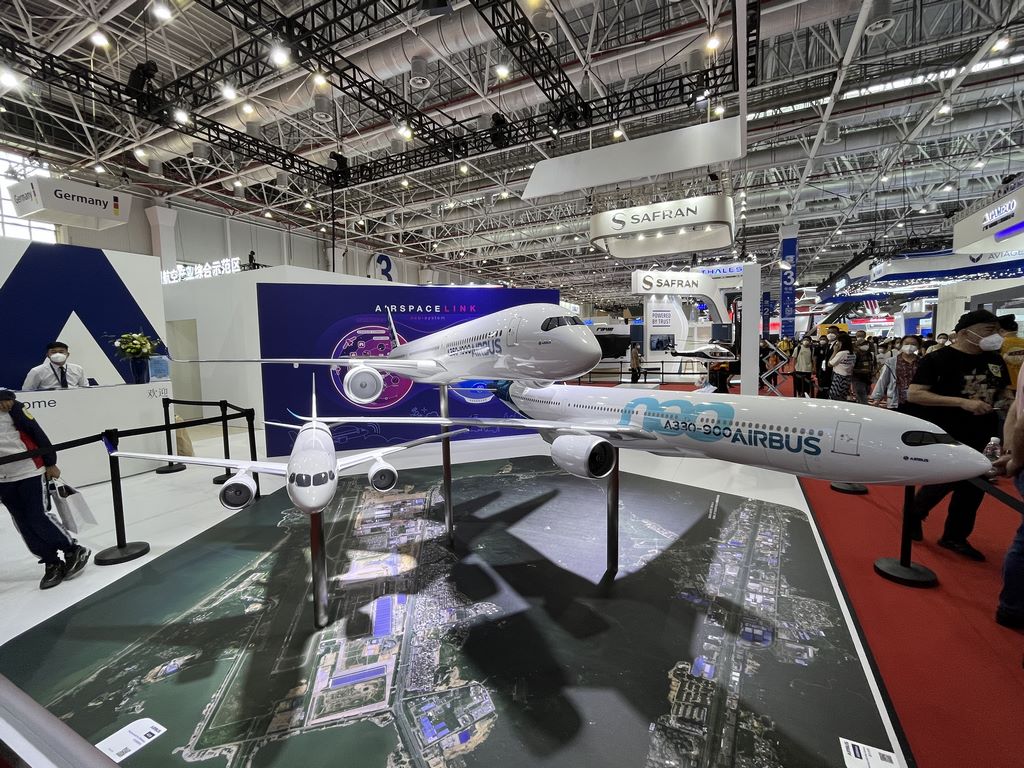
The showroom model needs to be balanced.Visual restoration♪ And ♪Structural stability Materials selected to fit the prototype characteristics of the aircraft:
Body Subject: SelectionHigh intensity resinPyramid (e.g. epoxy resin), taking into account the need for light quantification and high intensity, and a “light quantification + visual reduction” in the rectangular; when pursuing a more veritable metallic sense, a combination of plume can be usedGlass steel.Zirconium (surface can be painted with metal).
Wings/tails: IntroductionLightwood (e.g. Barzam) or CompositeZirconium (carbon fibres/glass fibres), low wood density, easy to process, which simulates the lightness of the prototype wing; composites are suitable for the “high intensity + low weight” requirement, transport and demonstration stability of the model of the assembly hall.
Details Part: Priority for small components such as engines, landing gearMetal Customzirconium (e.g. aluminium alloy), reduction of prototype metallic sense; if cost is limited, use of zirconiumABS Engineering PlasticsZirconium (surface coating of metal, simulation of metal glitter).
Production process: step-by-step reduction of prototype characteristics
Modeling needs to move from “structured to” to “details” to ensure reduction and demonstration:
1. Structure-building: skeletons and monpi
Bones production: Bones with light wood/composite materials, fusion of body, wing and tail wings, based on original aircraft drawings. The wings need to be set aside.Wing beam. (enhanced load) with tails Vertical/horizontal tailing structureThe airframe needs to be built.Bones. (to support the overall structure).
Monpe installation: Cover the on the outside of the skeletonRubber/glass steel maskZip, stick up through glue. Skinning is strictly tied to the contours of the skeleton to ensure that the surface is smooth and wrinkled and to restore the original current-type appearance.
2. Details: Parts and functions restored
Engine: Using metal custom or ABS plastics, engraving details of the vents, vents, etc. of prototype engines, coating of surfaces, simulation of real metallic senses.
Landing gear.zirconium: a storage structure for the reduction of the prototype landing gear (if the prototype is ready to be collected) made of metal/plastics and the installation of seismic relief devices to enhance the “real sense” of presentation.
Wings/tails: Cover the at the front end of the wingDeweighted wood skinnerszirconium (e.g. tritium) to increase wing strength and resilience; tail wings to install zirconiumRudder. (control horizontal rudder, direction rudder action), attitude control logic during the reduction of the prototype flight.
Connectivity: solidity and portability
Wings connected to fuselage: IntroductionInsert StructureZirconium (e.g., dice connection), which is reinforced with bolts to ensure structural strength and to facilitate the dismantling of transport (the exhibition hall model needs to fit different sites).
Wings, tiny wings.: The construction of a structure for a gradual transition in thickness that extends backwards and cuts back into the hole, and the restoration of modern civil aviation passenger aircraft's “twirl wing” design (uplifting, reducing resistance).
III. Post-treatment: colour and taste enhancement
Post-treatment is the key to a 90% reduction and requires adoptionColours, old and detailed.I'm not sure if I'm going to do this.
1. Colouring process
Bottom Colour Spray: Spray the background colour consistent with the prototype (e.g., the flag colour of the airline) to ensure even colour coverage.
Mark Drawing: Drawing of airline LOGO and machine identification (e.g. “Airbus” “Boeing”) with a specialized spray tool, with precision reduction in font, colour and layout.
Details Supplementzirconium: “Metallic + Shadow” treatment of engines, landing gears, hatch doors, etc., to simulate real metal light and light effects.
2. Old and qualitative treatment
Old process.: “Slight wear” treatment (e.g., light scratches, faded) on the edge of the wing, at the suture of the fuselage, and a sense of quality in the utilization of the reduced aircraft.
Glossy processing: A “dummy/high light” partition treatment of the body, wing surface (e.g., duds, wings high) to enhance visual sense.
Presentation fit: transport and installation
The exhibit room model needs to fit the entire process of " Transport-Acquisition-Show ":
Transport: Use plug-in structures, bolt reinforcement to ensure that models are not susceptible to damage during transport.
Install: Through a fixed model of metal stubbles (e.g. stainless steel poles), the stairwells are precisely aligned to the installed holes reserved at the bottom of the model to ensure stability and beauty during presentation.