
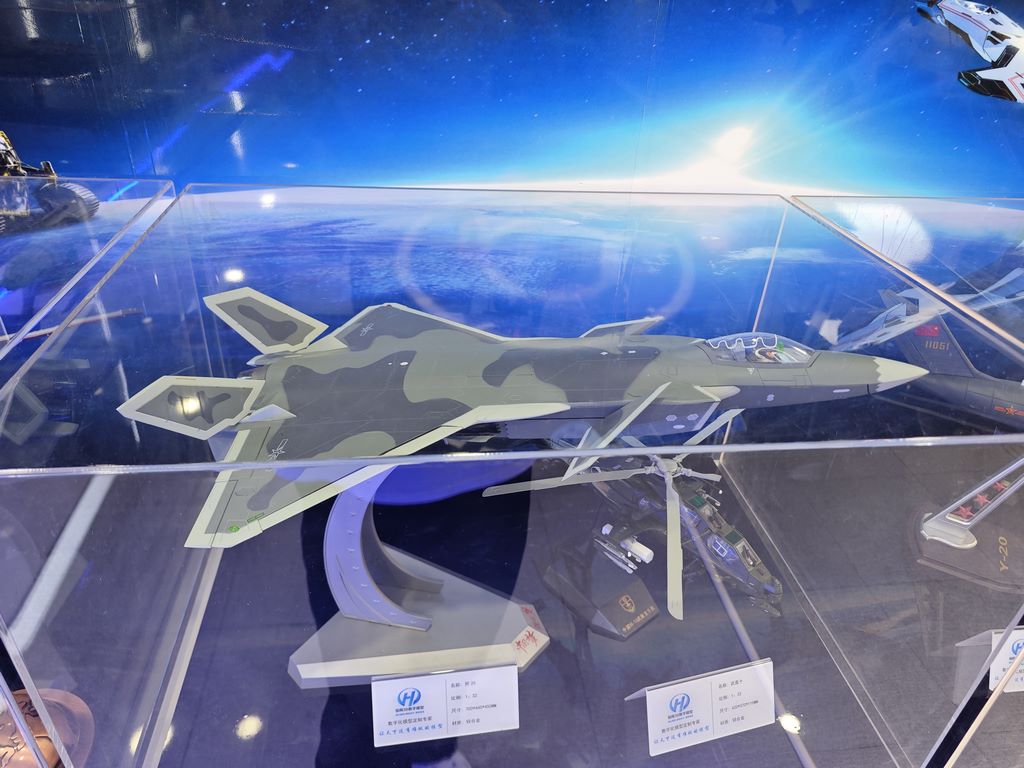
I. Material selection: precise adaptation of micromodels
Main Frame
Cut the skeleton with 0.5 mm thick lumber plate lasers, balancing strength with light quantification
ABS plastic sheet (0.3 mm thick) is used in the skin-skinned form, perfect for the covert features of invisible warplanes.
Details Part
Duck wings and tailings: 3D print photo-sensitive resins with a resolution of 0.05 mm to reduce the edges of sawn teeth
Gas intake: etching metallic net + Transparent Axis simulation DSI drum pack structure
Rise-and-down gear: Bronze rod engraving, combined with mini-hydroclaves
Production process: mm precision control
Body assembly
Use of 0.3 mm drill pre-positioning hole for seamless viscosity with white cape glue Answer.
Placing of atomic ash (0.1 mm thick layer) in the stitches of skin coverings and grinding of 800 sands and paper
Invisible characterization.
A mock invisible coating of 0.2 mm carbon fibre on the front edge of the wing
Encapsules use vacuum formation technology to maintain an equal thickness of 0.15 mm
Dynamic structure reduced
A half millimeter copper axle in the tail end. Actionable
The hatch doors are designed to open the facility with an etching chain.
III. Painting and ageing: the visual language of invisible warplanes
Basic coating
C306 ash for County Sprayer.
The back of the machine uses a 0.2 mm mask to create a cascading coloured boundary
Special Effects Processing
The cabin frame uses pencil graphite to sharpen the metallic sense.
Multilayer spraying of engine tail vents: burning of iron base and transparent blue metal drying
Identifier Restore
Water paste uses laser microsculpture to make the "eighty one" badge (0.3 mm precision)
Tactical number is 0.1 mm printing technology.
IV. Quality tests
Zero-sized public transport control at ±0.2 mm. Internal
Ra≤0.8m surface roughness