
Mine shredder modeling process complete process
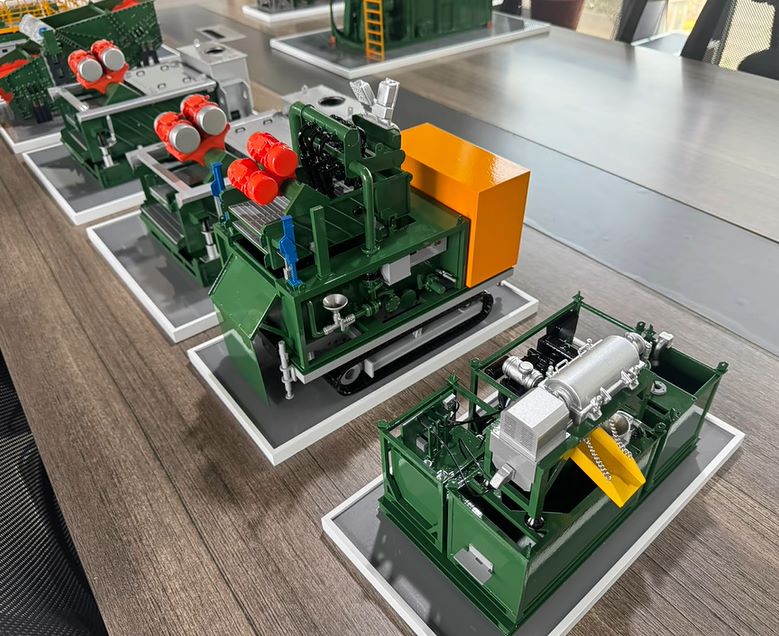
Material selection and foundation formation
Main FrameAluminium plate of 1.5 mm is cut into lasers to shape the contours of the equipment through the CNC bending process. Feed mouths and broken cavities use glass fibres to enhance resin irrigation to ensure the integrity of complex curve structures.
Motion Part: Bronze processors are used for the plate plate and the eccentric axis, with a 0.1 mm gap reserved for the bearing bearing to simulate the motor relationship of the real equipment.
Support structure3D printing using nylon 12 for belt wheels and hoods, eliminating lacerations by acetone vapour polishing.
ii. Precision assembly
Modular preloading: Dismantling of shredders into power modules (electrics + belt wheels), shredding modules (varnish + palladium) and stand-up modules with three subsystems to be debugged separately.
Dynamic calibration: A percentage table is used to detect the trajectories of the scavengers and to ensure parallels with the plate plate at 0.3 mm.
Pineproofing: All screwdriver connect points are coated with blue threaded glue, and key parts are fixed twice by spring-bed + nylon-proof pine nut.
III. Surface treatment system
Bottom handling(c) Three layers of protection against the passivated epoxy base paint of the phosphoride zinc system after the dust has been rusted and the film thickness is controlled at 80-120 m.
Colour Spray:
Main structure: Mute-deep ash (RAL 7021) used as base, partially sprayed with orange red (RAL 2004) security alert And...
Motion parts: Keep the original brass color and show wear marks through the oxidation of hairline liquid
Old process:
Dry-cleaning simulation of metal elastic wear.
Oil-contaminated with transparent resin mixed tan paint spot.
Graduation of iron and rust on the inside of the feed mouth (iron oxide powder + fixed liquid)