
The case of the modelling of the khuron drone — the 1:50-scale high level reduction model
This time.Hydra drone model.(1:50 ratio) Customized for customer-driven enterprises, which require a high-level reduction of the current-line hull, covert design and sensor layout. The model was eventually reduced to more than 90 per cent, with a high degree of visual and detailed proximity to the prototype, and the production process focused on “material suitability + manual precision + scenario restoration”, as follows: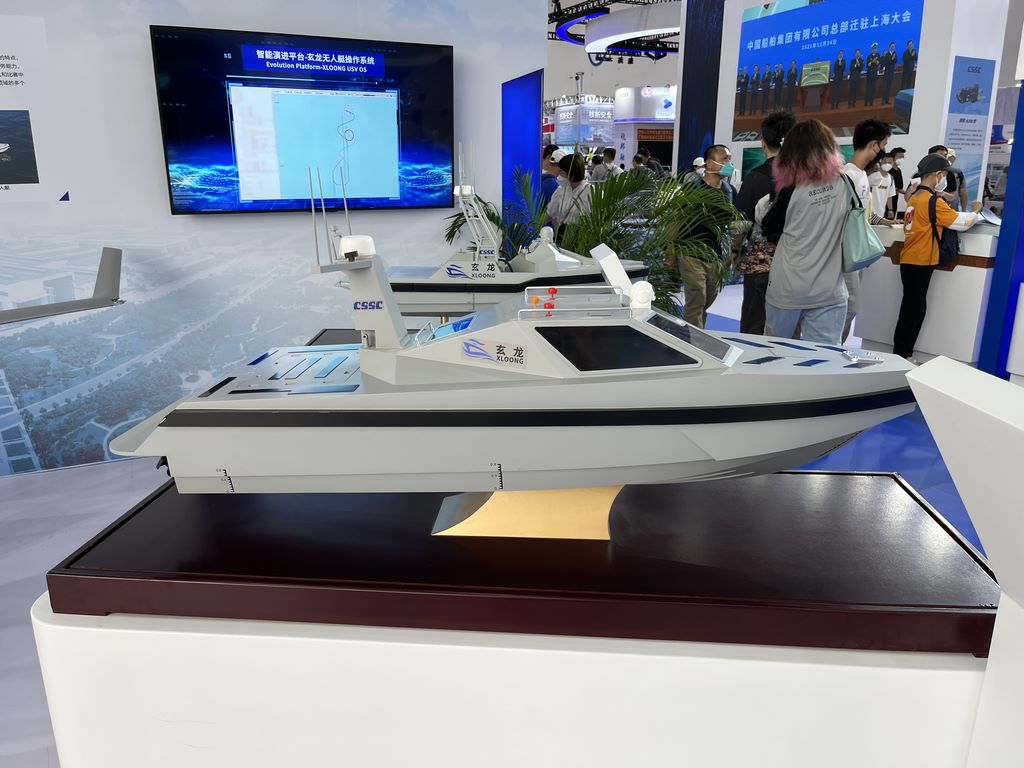
Material selection — a “simulation combination” matching the characteristics of the vessel
In order to restore the dual feature of the hysteria of the hysteria drone, “scientific sense + sea adaptation”, materials are selected to balance the quality, durability and ease of processing:
•
The body of the ship.: AdoptHigh-through-light resin(a) (similar to car large lamps), >90% radiance, with a mixed sense of "glass steel + dumb coating" on the surface;
•
Structure(Falk deck, room frame): selectedABS Engineering Plastics(Bulk plating), high-intensity and collision-resistant, suitable for simulating the structural characteristics of a live vessel's “light Quantified Metal Settling”;
•
Details Part(Sensor, antenna, propeller):
•
Radar cover.Soft silicone(a) Simulates the softness of the vessel's “soft invisible material” (manually sculpture);
•
Camera, searchlight.MicroABS(3D printing) on the surface of silver plating and metallic reduction;
•
Spiral.Bronze manual exercise.(Stand to 0.3 mm), used on edges to simulate long-term seawater corrosive traces.
Production process — “precision regraving” from curve-forming to detailed engraving
1. The vessel is warped: hand-made + modeled “double-insurance”
The marking features of the hyena are the “drophead” and the “flow line” from both sides, which require acoustic design to be accurately reduced.
•
First.Oil mud.(a) Stacking 1:1 prototype (photos and sizes of live boats provided by the client) and manual grinding out of the arc of the vessel (focusing on the transition of the front and the centre to narrow);
•
It's a mother's model.Silicon glue flipping external models5 mm thick, waiting for solidification after injection of high-peroxide resin;
•
After the resin's gone, use it.800-2000 sandpapersManual grinding (one-way grinding in the direction of the current line of the vessel), removing the layering and correcting the fine deformation until the surface smoothness corresponds to the glass coating of the vessel.
2. Structure package assembly: "Invisible" process safeguards
The ABS framework needs to be sewn to the hull, while concealing all collage marks (simulating the industrial level of the “integrated manufacturing” of live boats):
•
The deck floor is cut by drawing into six arc ABS plates, for edge use.Hot Melting Rubber + AB Rubber(a) Double-adhesive (ensure 90° rectangularity);
•
Room partitions (simultaneous command, equipment module) folded into ABS bars (heated to 80°C softened) and embedded in deck preposition slots and re-usedModel specific glue(b) glucose fixation (column thin to 0.1 mm);
•
All screw holes (simulated solid-boat fixed bolts) are punctureded with a mini-drive (0.5 mm drill) and are embedded in metal screws (0.3 mm in diameter) at the same altitude as the real-boats.
3. Details engraving: "microsculpable" retrofit feature
Sensors (e.g. laser radars, PV towers) of the hyenas are core identifiers that need to be “locally identified as prototypes”:
•
(a) Radar mask: a carving of the ABS bar with silicone, hand-capped curves (1 mm thick) of the exterior arc + bottom, and a 0.2 mm-deep grid (simulation of a live boat dispersive structure) on the surface;
•
Camera: 3D for ABS 2 mm diameter, surfaceA microbrush.(b) Graving out of the lens cam + angle on the edge and spraying transparent UV paints (simulating glass senses);
•
Antenna arrays: Cracked with thin copper wire (0.1 mm) into a " straight line + arc" combination (reference boat photo measurements of space), with roots glued to decks with aluminum, adjusted to the exact same angle as a real boat.
Post-treatment - “situation upgrading” from “model” to “realboat recapture”
1. Basic grinding and polishing
•
The hull surface.Polluting wax + soft wheel(a) Manual polishing (focusing on the front-stream area) until the reflection is close to the actual boat coating;
•
ABS Structure400 sandpapers.Scratch edges (elimination of plating), reuseWhite toothpaste.Wipe (simulate metal “use marks”).
2. Declining: “Fake and wear” of the reduced craft
The HYDRON UAVs are coated with "Deep Grey + Light Grey Collapse" and the model simulates the real effects by "third-order top colour" method:
•
Bottom(b) Deep grey soil filling (0.1 mm thickness) with a blowtorch to enhance subsequent paint investment;
•
Color Layer(a) A very thin gray (covered 30 per cent) pen-point distribution by colour of the live boat ' s photograph, with the dark gray colour retained as a shadow transition;
•
Harm and stains: usedCleaning(Small paint + soft hair brush) draught deep brown at the head of the boat (simulating wave splash), the root of the propeller (simulating seawater corrosion); used at the edge of the deckLight gray powderLight rubbing (simulation of daily wear) and powder embedding into resin cracks to produce a “natural attachment” effect.
3. Function Simulation: Upgrading Realism
•
Lights: Embedded in command room positionMini-LED beads(Hide yellow, 12V safe voltage)Transparent resin dropletsSealing (simulation of reflection of observation windows);
•
Dynamic details: The propeller axis connects the mini-engineer (hidden inside the chamber) with a thin wire, which can be slowly rotated (twirlable), and the pre-rotation effect of the propeller in the “stand-by” of the solid vessel.