
The exhibition hall displays the aircraft model manufacturer, the Wing Dragon 3 model custom manufacturer
Showcasing aircraft modeling cases: for example, Wing Dragon-3
The Wing Dragon - 3 aircraft model presented at the exhibition hall, from material selection to later coloring, is organized around a 90 per cent reduction level and presents the full process of professional production.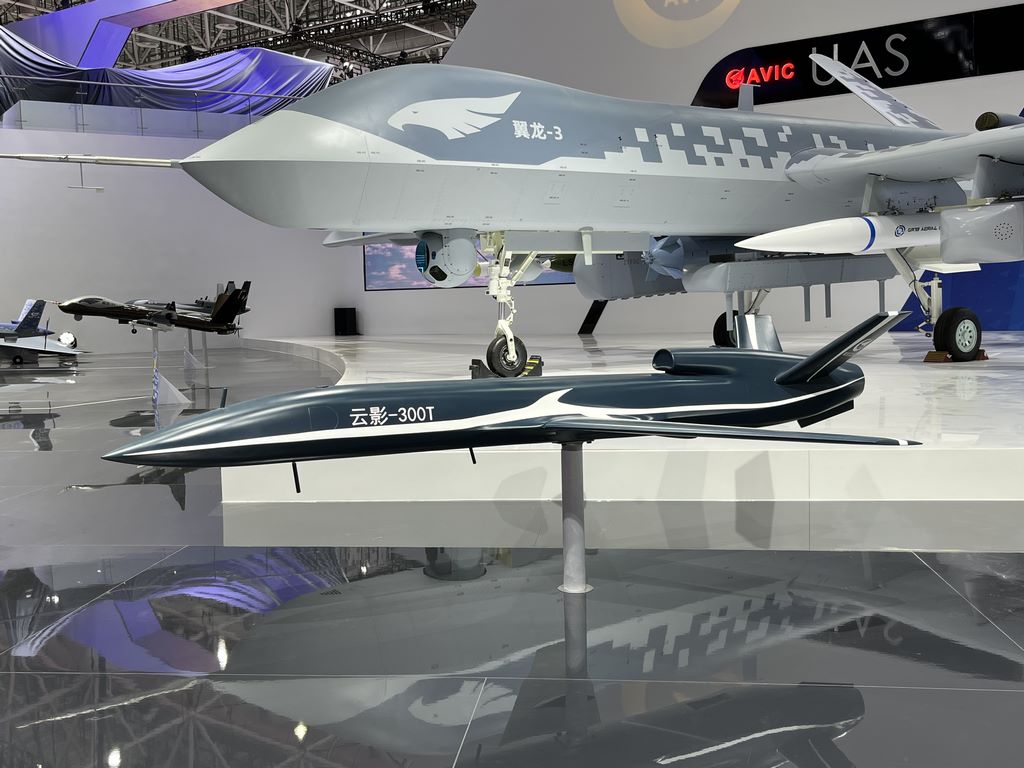
Material selection: precision matching prototype characteristics
The production team has a priority.Lightwood, gillwood, gillwood.Traditional aviation model wood, such as thorium, which is of low density and high intensity, is the core safeguard of the model “light quantification + structural stability”. At the same time, it's a combination.High-intensity resin, glass steelModern materials, such as , balance "restoration" with "show durability":
(b) Simulation of the prototype light-quantitative design, mainly by lightwood and neptunium;
(b) The use of lumber for critical absorbent components (e.g. wing skeletons) to secure structural strength;
Some of the exposed components (e.g., landing gears, hoods) use resin/glass steel to balance visual reduction against impact resistance.
Production process: step-by-step reduction of prototype details
The process strictly follows the logic of “details of assembly of drawings and parts”, ensuring that each step fits the prototype design:
Charts and parts:
Drawing 1:1 scale drawings based on prototype photographs and public information, indicating the size of the structure at each location (e.g. wing chording, arcs). A laser cutter is used for the precise processing of wood parts, which ensures that the edges of the parts are smooth and that the dimensions vary by 2 mm (unidentified).Bones and mompi.:
Construction of wooden skeletons by drawing, with a focus on reinforced wing, tail wing's “enabled structure” (e.g., multilayered lumber pressure for wings); use of mosaicsIt's hot.zirconium, automatically condensed and condensed skeletons after heating, and reduced to the original fluid-type surface (e.g. invisible coating sense of Wing Dragon - 3).Assembly and structural strengthening:
When the skeleton is assembled with a skin mask, the key nodes are reinforced with 502 glue + wooden nails; and for the simulation of the prototype “modular design”, the wings, tails and fuselage are connected to the fuselage by “dismantling” (e.g. bolt + piping structure), which is easy to transport and also the assembly logic of the prototype.
Post-treatment and top colour: “living” the model
The posterior is the key to "regression" from "forms" to "gods":
Gap and bug disposal:
Filled with wood crumbs and resin glue to fill the collage of the parts, and then polished the spray.Mute base paint, to match the roughness of the surface to the prototype (to avoid the model “plastic sense”).Color and Mass:
Underground colour: light gray, consistent with the prototype, with three layers of spray paint (four hours apart per layer) to ensure even colours and no flow marks;
Details: hand-drawing of the words “Wing Dragon - 3”, body number, hand-drawing of the prototype with a fine brush (e.g., marking of the head of the machine “Window - 300T”);
Temperature: Wing edge, landing gear sprayMetal sensor paint., simulated prototype metal components; partial combinations of "dud + light" in the body, reducing the photo layer of the invisible coating.
Show details:
Installations below the modelAlignable support, simulation of the prototype's landing gear posture; exhibition hall light focus model, highlighting such marking details as the "hawk sign" and the "wing fence" to allow viewers to recognize the prototype.
IV. 90 per cent realization logic
Through the "Specific material matching the prototype material characteristics" "Procedure reversion structure design" "Post processing enhanced visual details" modelingOutline, structure ratio, paint styleThe height of the prototype is the only reason that the demonstration demand has simplified the “internal mechanical structure” (e.g., engine, landing gear collection), but the complete restoration of the core visual features (e.g., head modeling, wing layout, coating marking) has achieved a true level of professionalism in “room-level display”.