
Case of double-tail scorpion model hall production: process practice from drawings to 90 per cent reduction
At some kind of aerotech showroom,Double Scorpion ModelIt is presented at a 90 per cent reduction level and is at the core of the presentation. Each step of production, from material selection, process processes to later processing, is tied to the goal of “real reduction”, as follows: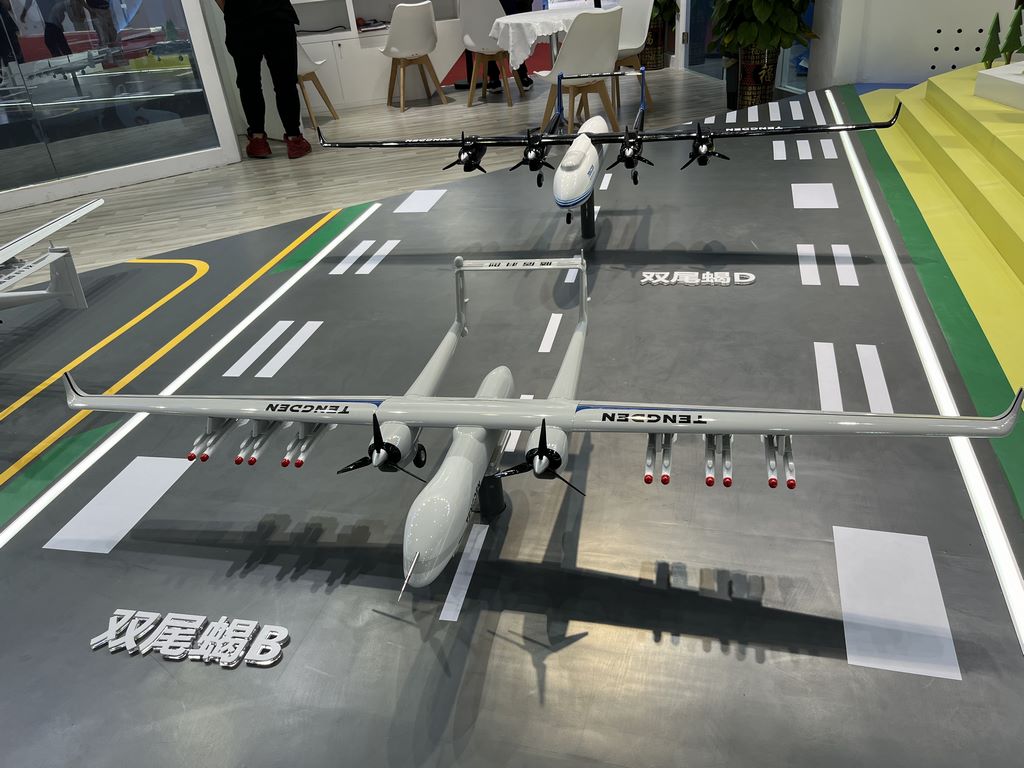
Material selection: precision matching prototype characteristics
In order to restore the structure and quality of the Scorpion, the team has done sufficient work on the material:
Main Structure: Selection of high-intensity foams (e.g. EPP foams), taking into account light quantification and resilience, fit model complex wings, airframe configuration;
Details Part: The red warning lamp at the end of the wing uses the Aklik+LED lamp core (simulation of a real warning light function); the head “TENGCEN” identifies a durable UV print film to ensure clarity and durability;
Supporting materials: epoxy resins are used for structural adhesive (high intensity, low contraction) and acrylic pigmentation (color saturation is consistent with the prototype).
II. Production process: step-by-step structure details
Modelling substratesMain build, detail embedded, structure calibrationThree stages, each of which anchors the “recession”:
Main Build:
Cut foam by the ratio of the prototype (e.g. wing spread, fuselage length) and grinding of the edge of the wing, the side of the body, so that the profile is similar to the height of the prototype;
The epoxy resin is used to bind wings and fuselage to ensure a robust structure.
Details embedded:
Red alarm lights at the end of the wing: first set the lights in foam, embedded in LED cores, and overlay the Akili shield (simulating the light and warning effects of real lights);
The header “TENGCEN” is marked: after cutting the print film of the UV, it is finely attached to the position of the body, heated it with a jet gun, so that the text and the body may fit naturally.
Structure calibration:
(b) Compare the prototype drawings, adjust the wing angles and the tilt of the fuselage to ensure that the posture is consistent with the prototype;
Use sandpaper to grind the whole machine, remove adjoining traces and smooth the surface like a prototype.
Post-treatment and top colour: “living” the model
Color and detail processing are key to the reduction:
Colour Process:
Simulate the metallic sense and colour level of the prototype by coating with acrylic pigments (dermal + paint);
Gradual transitions to the edges of the wings and the sutures of the fuselage to avoid a "colour sense" to make the colours more natural.Details Enhanced:
Textures on the surface of the wing are stymied with fine pens (a process line that simulates the real wing);
Propulsive blades do dumb-ray processing, restoring the true propeller taste.
IV. Presentation of the exhibition hall: scenery to restore the original atmosphere Round
Models are placed in custom runway scenarios, with runway lines, markings and prototype lift-and-drop environments at a high level, allowing the model to “situate with real scenes”; exhibition hall lights simulate natural light, highlighting the details and colour of the model, and giving the viewer a visual sense of the technological and design sense of the scorpion.